
By Ethan Harder
The history of relations between China and the U.S is long and complicated. Throughout history both sides can say that at one point they were the main superpower. With these titles the amount of ego and competitiveness that each bring to the table are immeasurable. The current Global standpoint is interesting as to who is the global leader. To understand who will end up on top I will show you the economics, and the use of soft and hard power.
The Economy is the most important thing a country must deal with. When the people of your country are making more money they typically are happier. The economy of China and the U.S are extremely different. When most think about China they think that it is a communist country so its economy must be completely run by the government. Compared to the economy of to U.S which is based around Laissez-faire capitalism. Both of these systems are valid as both can work in theory but which can survive the long term blows a economy takes is the question.
Prior to the initiation of economic reforms and trade nearly 40 years ago, China maintained policies that kept the economy very poor, vastly inefficient, and relatively isolated from the global economy. Since opening up to foreign trade and investment and implementing free-market reforms in 1979, China has been among the world’s fastest-growing economies, with real annual GDP growth averaging 9.5% through 2018. A pace described by the World Bank as “the fastest sustained expansion by a major economy in history.” Such growth has enabled China, on average, to double its GDP every eight years and helped raise an estimated 800 million out of poverty. China has become the world’s largest economy, manufacturer, merchandise trader, and holder of foreign exchange reserves. This in turn has made China a major commercial partner of the United States. China is the largest U.S. merchandise trading partner, biggest source of imports, and third-largest U.S. export market. China is also the largest foreign holder of U.S. treasury securities, which help fund the federal debt and keep U.S. interest rates low.
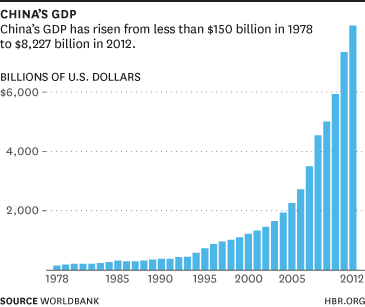
This is drastically different than the U.S which has seen smaller growth when compared to China. Some economists even suspect that we are falling into the “middle income trap” as described earlier. This is not to say that at one point the U.S was the same. The U.S saw the highest growth after WW2 due to the decreased spending of the government and the increase in jobs with men coming back from war. This was then stopped by a recession due to the decline in jobs once everyone was back. In a article by Forbes an economist thinks that China is headed for a recession based on their using funds for unneeded infrastructure. The economist said “Nowadays, China is still trying to build wealth, but it’s doing it the wrong way… by pursuing investments that do not raise the country’s productive capacity and growth potential. Like bridges and roads to nowhere; like factories that no longer produce competitive products. Like apartments where nobody lives” (Panos Mourdoukoutas). So based on what economists are saying it is safe to assume that China will fall under the middle income trap due to them becoming a economic superpower. What they have done so far is unprecedented but where they are headed is boring growth similar to the U.S.
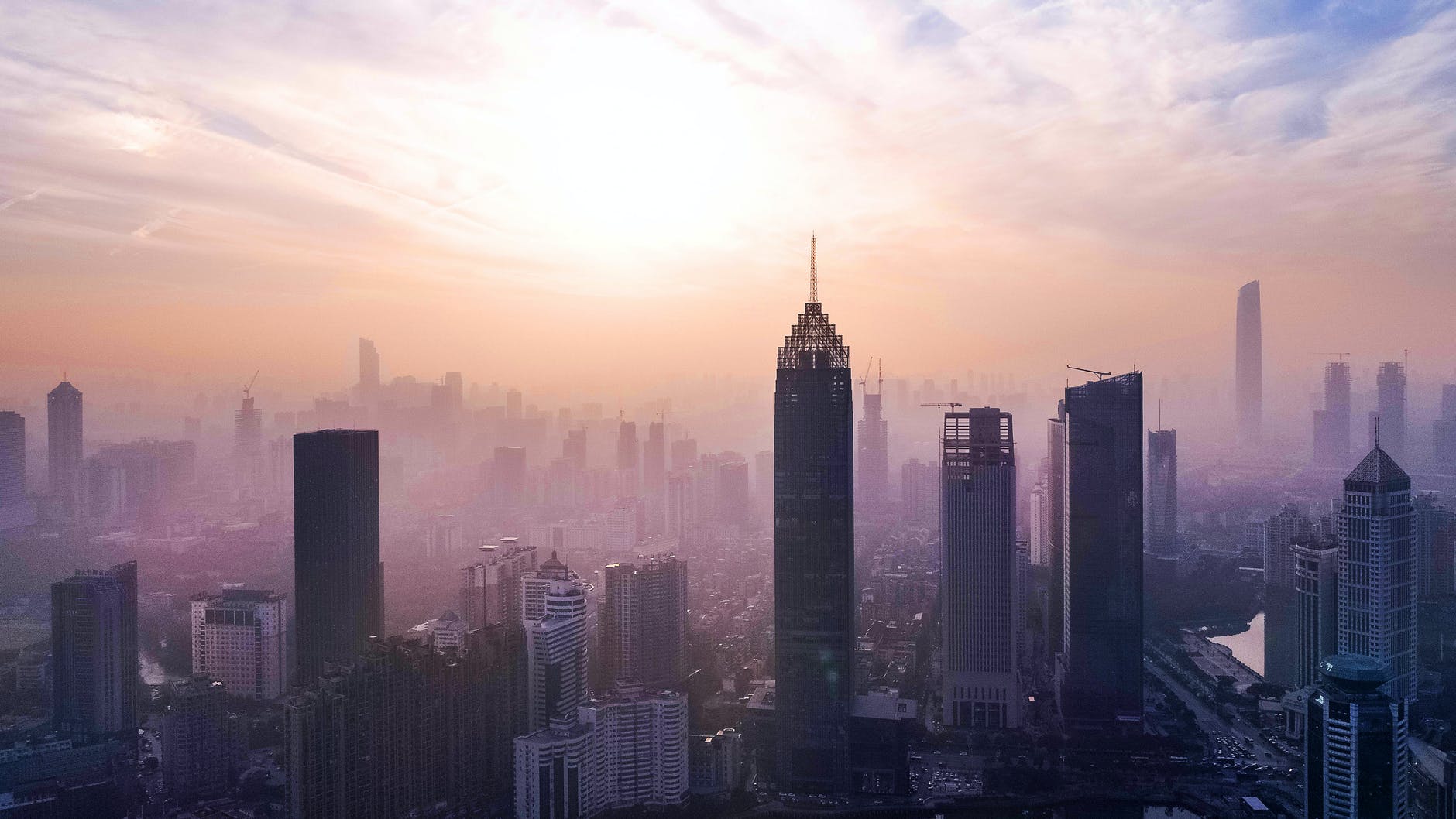
One area that China has been far ahead of The U.S on is their use of soft power. The idea of soft power is using a countries resources to its advantage by pressuring other countries to do things for them. Where China has done this the most is in the Middle East, Asia, and Africa. The Belt and Road initiative plans to provide infostructure to over 60 countries and foreign companies. Not only does this spread influence but it in the long run will gain them immense power. Since they are putting in a hefty investment equating to about 8 trillion dollars, they will want their investment to be paid. This is where many countries find themselves falling into debt with China due to their high interest rates. What this does is keep other high profile countries in major debt to China. Even if these countries do not pay up they could serve as military bases in the future. The U.S does have a lot of military bases but they do not engage in hostile development like China has been for the past 10 years.
Overall in the current moment China is trying hard to up its chances of becoming the next global superpower but it could all go array. If China were to hit a major recession it could cripple their development for another 5-10 years and keep them from taking over. For right now the U.S will continue to be the worlds sole superpower in terms of military might and overall economic standing.
 hARTS magazine