PART 2 by GEORGIA MIRICA
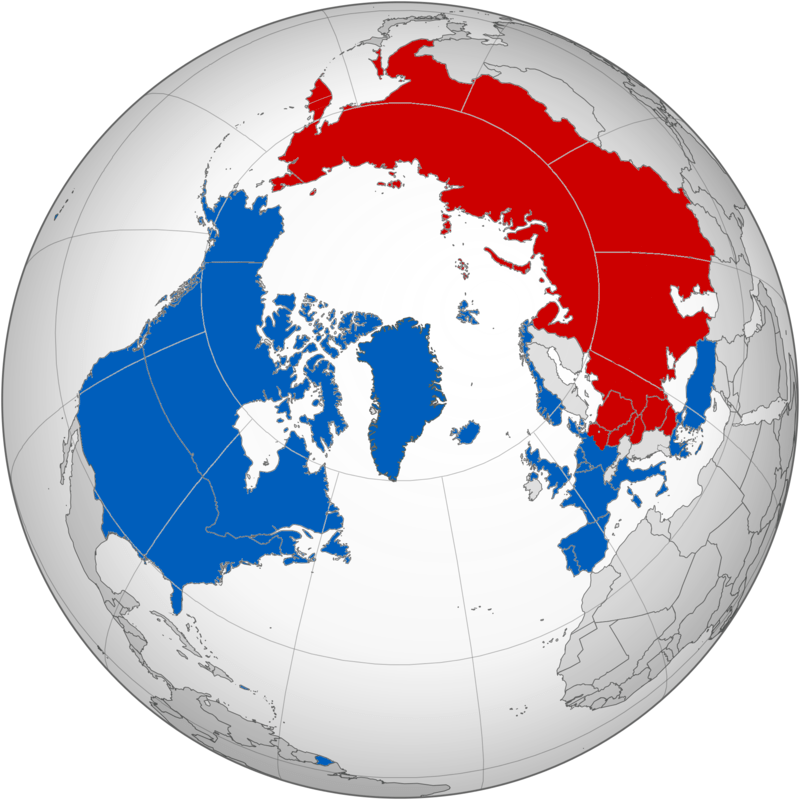
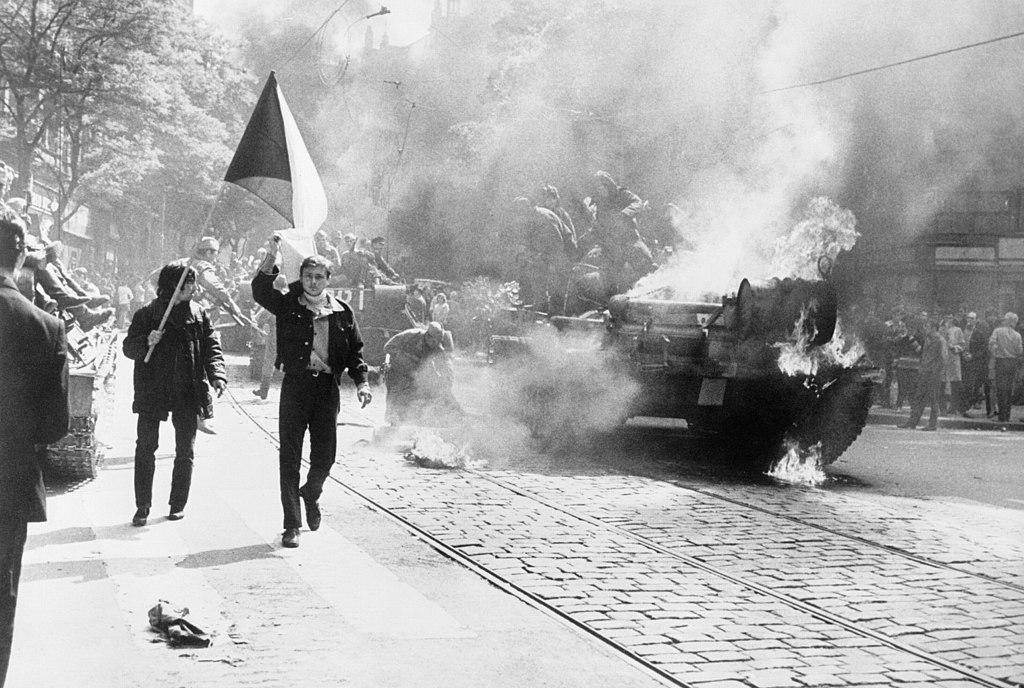
Already feeling threatened, the leadership of Romania felt that the military invasion of Czechoslovakia could set a dangerous precedent, feeling themselves targeted in particular: “The regime interpreted as a clear warning the enunciation of the Brezhnev Doctrine–the concept articulated by Soviet leader Leonid Brezhnev that the protection of socialism in any communist state is the legitimate concern of all communist states”(Bachman). One could even very well argue for the strategic premeditation of this response (the Romanian Executive Council had communicated its distrust of the USSR), because the Romanian Secret Services were aware of a planned collective Warsaw Pact intervention in Romania, as had occurred in Prague. It is important to note that a lot of the tensions between Romania and the USSR were fueled by Romanian claims of irredentism and what was seen as the unjust and tyrannical incorporation of Moldova into the USSR (Weiner). The problem was not only political, but social and historical. Undoubtedly, the historical trauma that Romania suffered at the hands of the Russian Empire and later the Soviet Union played a defining factor in mutual distrust and early instances of disobedience, (for instance, refusing Comecon proposals for the states to integrate their economies, supplying the USSR with agricultural output, which would have meant loss of economic autonomy) which multiplied as time progressed, culminating in the given event (Bachman).
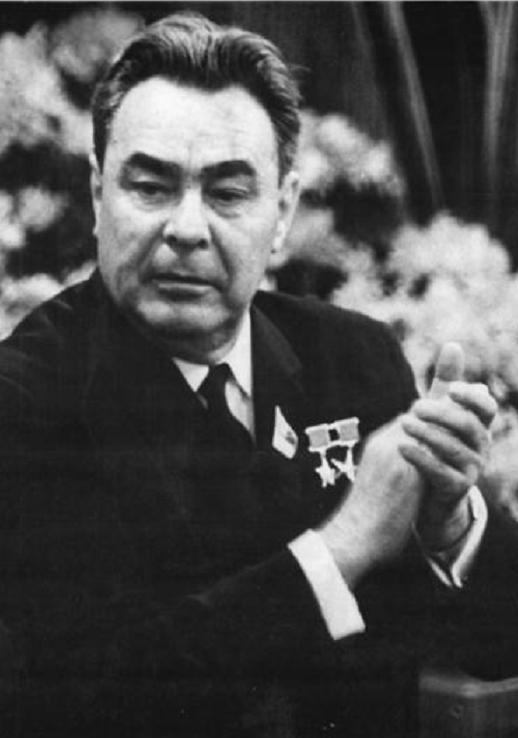
Through his speech, Ceaușescu garnered widespread support from important Western nations, such as the USA and the UK, as well as from China, an adversary of the USSR. In doing so, Romania managed to finalize a plan for emancipation that had been years in the making by challenging Soviet authority while strengthening international relations with some of the most powerful entities, allowing it to evade direct consequences that the USSR would have liked to impose. President Johnson of the United States, for instance, explicitly warned the USSR not to retaliate against Romania (“TVR 60: Nicolae”). By forming new alliances, the country also achieved economic emancipation from Comecon, also administered by the USSR. An evident effect of this is the fact that Romania was able to centralize political power within its borders, which allowed Ceaușescu, through his nationalistic polemic, to seize majority approval and abuse it, birthing one of the most hermetic and brutal communist regimes in Europe. Instead of remaining a puppet of the Soviet Union, it could be argued that Romania became a puppet to itself – hence the effect of the combination of strategic foreign policy and disastrous domestic policy.
 hARTS magazine