by Laura Ionescu
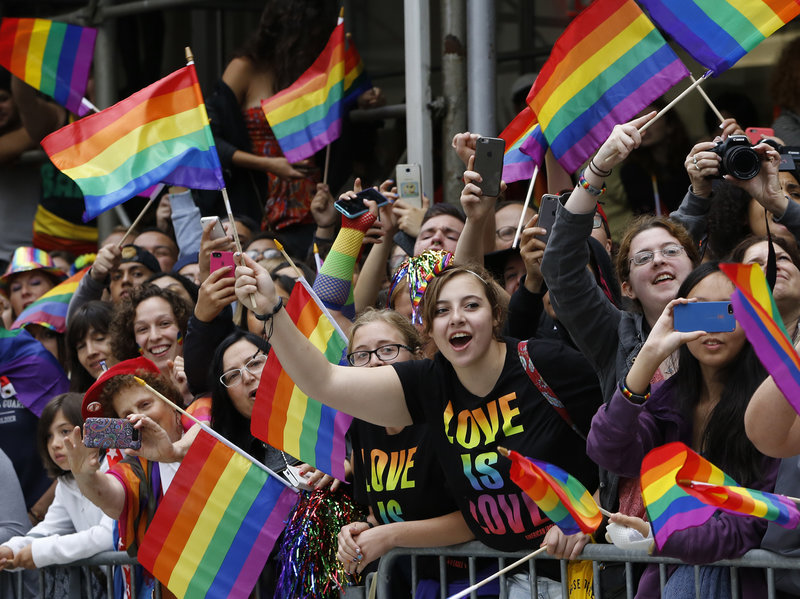
For many years there has been a noticeable stigma against people that identify within the LGBTQIA+ community, and despite many protests and complaints, not much has been done to change that. Or so one might’ve thought. NBC News wrote an article less than half a year ago explaining that political representation within the US has actually increased by more than 21 percent in the past year. “At least 843 lesbian, gay, bisexual, transgender and queer people currently serve in elected offices across the U.S., according to the LGBTQ Victory Institute.” There has been a 35% increase in LGBTW mayors, and 40% in women specifically. In a world where our civil rights are under attack, and many are questioning their place in the world, the affirming power of such representation cannot be overstated. These were the words of Mondaire Jones who recently won the Democratic nomination in New York.

The idea of a thing called “the rainbow wave” was first initiated by Victory Institute. While LGBTQ people are running for office in numbers we’ve never witnessed before, they remain severely underrepresented at every level of government. Thing which must change fast, as noted by Annise Parker, the CEO at Victory.
The Institute for Social Research of the University of Michigan released a study entitled “LGBT Politics and the Impact of Disgust” back in 2015. The article goes on to illustrate the fact that even though many people may claim to be for gender-neutral bathrooms and at peace with the integration of LGBTQIA members into normal society, in practice the number of people actually willing to accept a “transgender woman ‘invading’ public restrooms” is much more limited. When push comes to shove, and especially when opposition messaging starts happening, that is not a number you can count on. The article goes on to demonstrate that when presented with LGBTQIA stories, some people feel “disgusted”. When they feel disgusted, they are therefore much less likely to support policies supporting this stigmatized community. The article outlines the importance of “understanding different feelings towards sub-groups” as it may “help explain the lack of LGBTQ-supportive policies”.
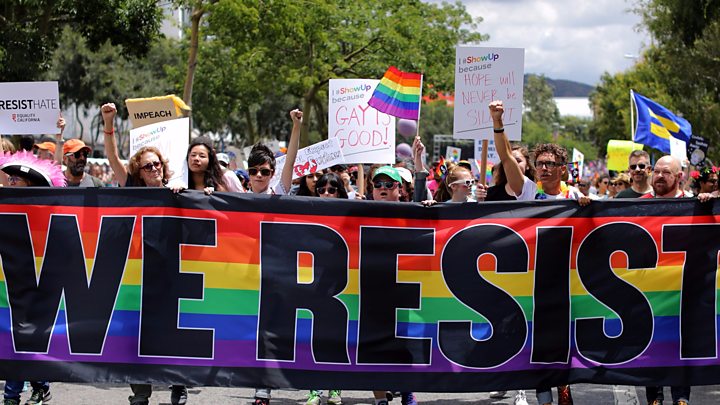
The Annual Review of Political Science published a study entitled “LGBT Politics and American Political Development” in June 2012. More than eight years ago, Richard M. Valelly perfectly explained the political difficulty we are faced with today. “Until the middle of the twentieth century, sexual orientation was simply not widely and deeply politicized in the United States. But abruptly, in a period of a decade and a half (roughly 1940–1955), national political and bureaucratic actors created a national sexuality regime that has taken 60 years of LGBT struggle to partly reverse. In seeking to substitute a different, overtly inclusive sexuality regime, LGBT citizens and their straight allies have initiated far-reaching changes in public policy, regulation of the workplace, and the institution of marriage. American politics has thus been developed by LGBT politics—and in the process, a fruitful research agenda has emerged.”
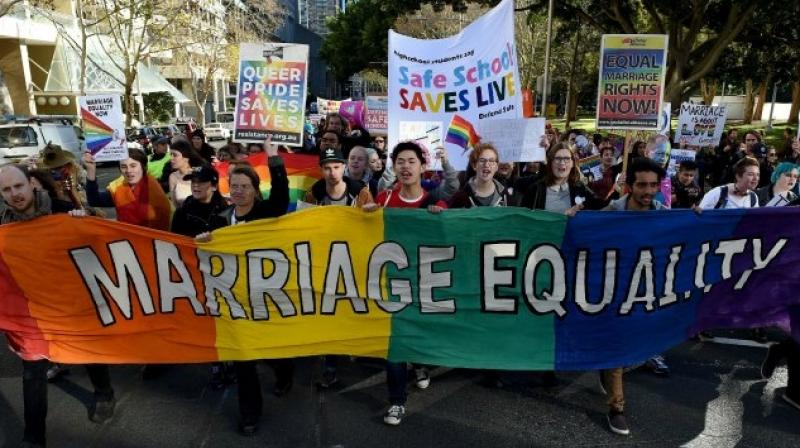
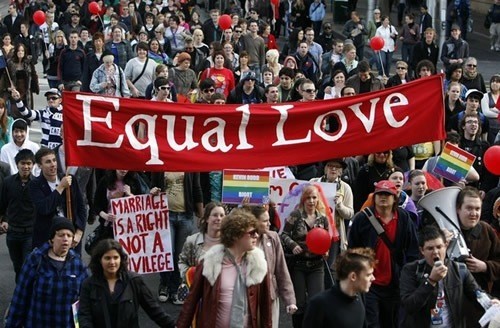
In fact, organized gay and lesbian struggles against public and private discrimination go back to the 1950s – as far as the establishment of the Mattachine Foundation in 1951 and the Doughters of the Bilitis in 1955. It is quite straightforward, actually. Members of the LGBTQIA community wish for a stop in the “high rates of disrespect and harassment, and violence”. Many of the report that they are treated with “less courtesy than other people” at least once a week. What they want? “My economic status, gender identity and more must be considered, along with my distrust of law enforcement. Politicians and policy makers must understand all of these complexities” as per The Progressive.
Quartz entitled our modern-day society to be undergoing an “age of the rainbow”. In an article cheekily named “The LGBT political glass ceiling is cracking wide open”, Annalisa Merelli entitles the movement as the wave that is painting towns in rainbow colors. Recently in New York, 51 current council members are gay. Johnson, the youngest and only HIV-positive elected official in New York state, explained: “voters across the political spectrum tend to choose candidates based on “bread-and-butter-issues” – health care, education, welfare—more often than gender or sexual orientation.” The idea of electing people based on their sexual orientation or identification is something new.
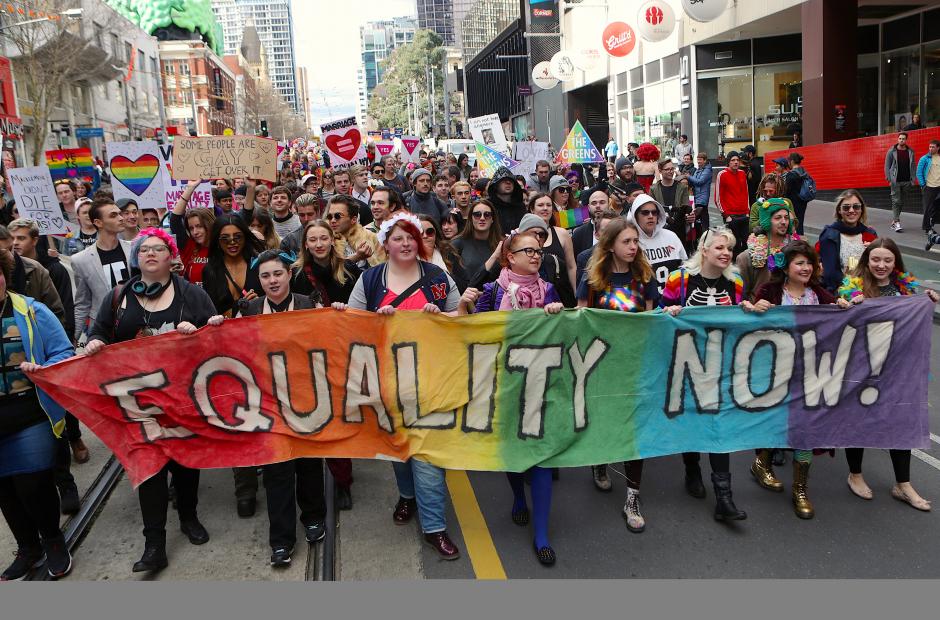
Britannica claims one of Obama’s actions to have been definitory in the American LGBTQIA Civil Rights Movements. In 2015 Democratic Pres. Barack Obama signed legislation that repealed the U.S. military’s “Don’t Ask, Don’t Tell” policy (1993), which had permitted gay and lesbian individuals to serve in the military if they did not disclose their sexual orientation or engage in homosexual activity; the repeal effectively ended the ban on homosexuals in the military. In 2013 the Supreme Court recognized the right of same-sex couples to marry, and in 2020 the Court determined that firing an employee for being gay, lesbian, or transgender was a violation of the Civil Rights Act, which prohibited discrimination on the basis of sex.
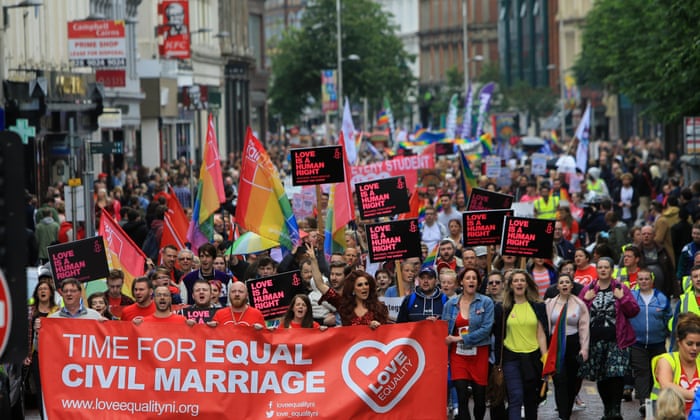
Despite many difficulties still being present within politics, the LGBTQIA movement – otherwise known as the rainbow wave – is indeed changing society as we know it. There have been dramatic political changes, and just yesterday, the 46th president of the United States, Joe Biden, signaled his “readiness to usher in an era of renewed LGBTQIA protection after four years of the very opposite” as observed by CNN politics.
Bibliography
https://www.annualreviews.org/doi/full/10.1146/annurev-polisci-061709-104806
https://progressive.org/op-eds/what-lgbtq-people-want-monifa-190918/
https://qz.com/1268388/has-the-lgbt-political-glass-ceiling-cracked-yet/
tps://digitalcommons.trinity.edu/cgi/viewcontent.cgi?article=1046&context=socanthro_faculty
https://www.britannica.com/topic/gay-rights-movement
https://edition.cnn.com/2020/11/14/politics/lgbtq-biden-trump-administration/index.html
 hARTS magazine