written by Karina Alexandra
Not only is global cooperation a vital aspect of tackling crucial world-wide issues such as climate change, wars or diseases, but it also offers more opportunities for developing countries. For example, in order to solve the global pandemic that hit 2020, international cooperation proved essential in trying to keep it under control and many scientists from different countries are now collaborating in order to develop a vaccine.

Over the years, many organizations were created with the purpose of maintaining international security, such as the League of Nations, which failed to maintain peace and prevent the eruption of World War II. Currently, the United Nations is the largest and most powerful intergovernmental organization in the world. Its initial aim was preventing future wars, but it now has committees related to human rights, sustainable development and international law. For example, the Paris Agreement is an act within the UN Framework Convention on Climate Change, that was signed in 2016 by representatives of 196 states and it encourages and supports those countries to mitigate global warming.
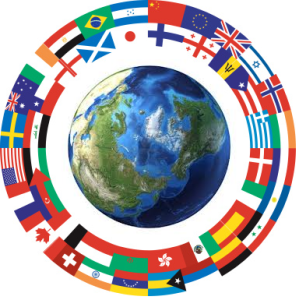
International cooperation is vital to accomplishing common goals between nations, dealing with poverty or natural disasters and saving economies, by creating fair trade systems, or even to saving people’s lives.

Edited by Laura Ionescu (Editor-in-Chief at hARTS)
 hARTS magazine