by Sebastiano Voicu
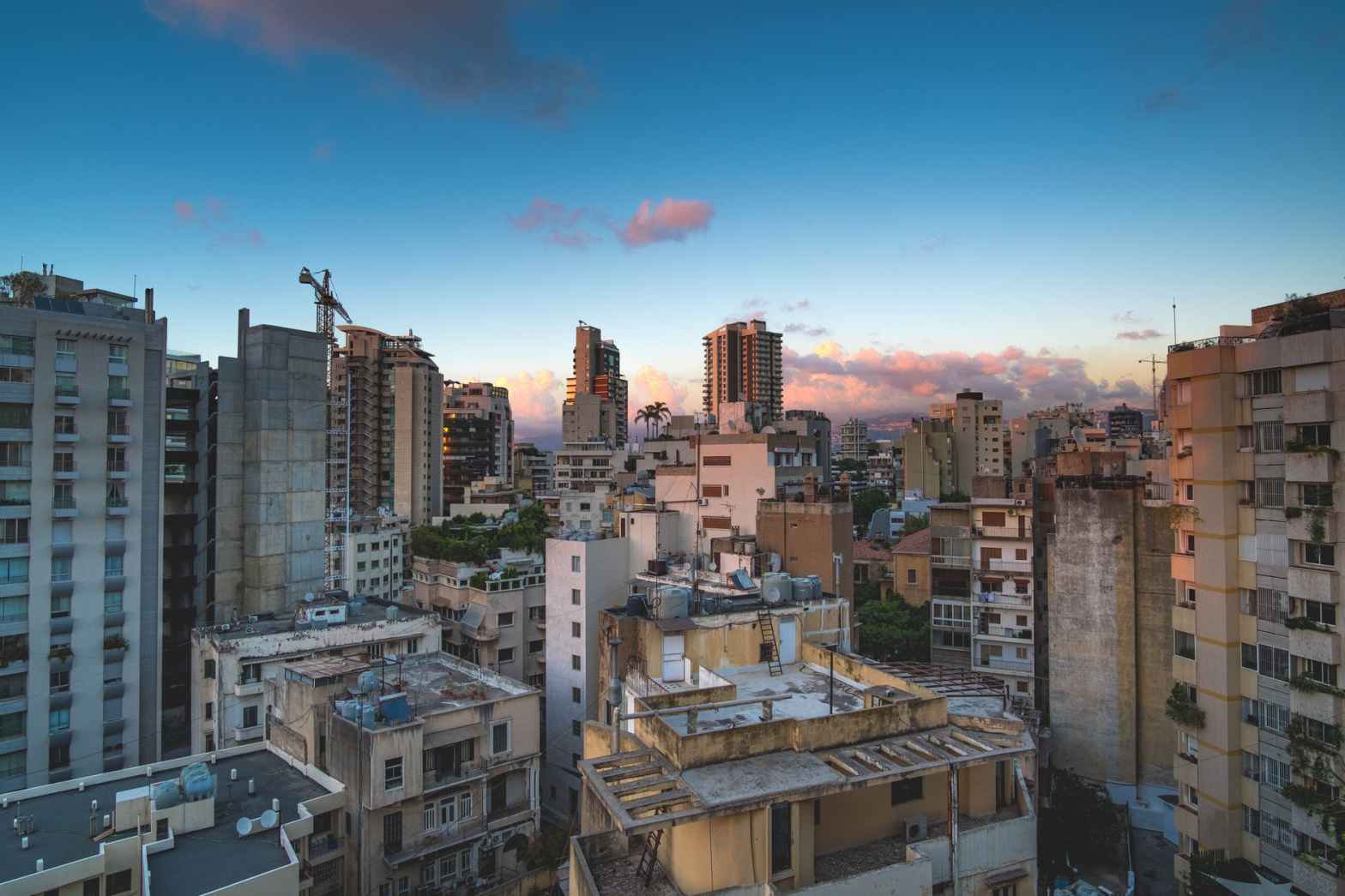
In light of the recent events that occurred in Beirut, I decided to write an article
about this amazing and unique country- Lebanon.
The long history of the nation starts around the year 2500 BC, in the times of
Phoenicians, but we will focus more on modern times.
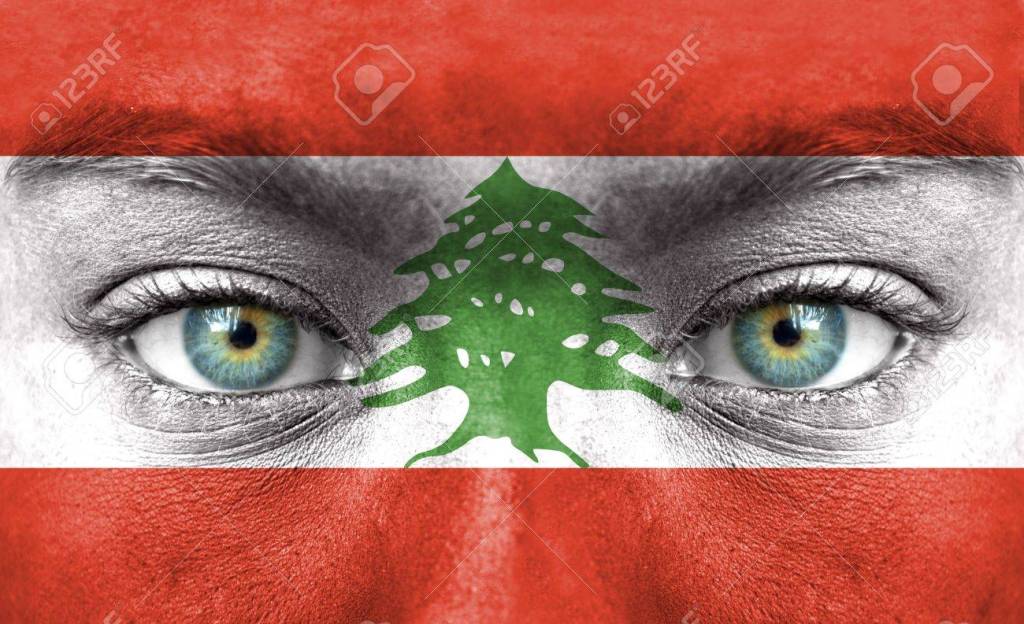
Today, a small middle-eastern country with a population of only 5 million,
Lebanon takes pride in its diaspora, which is estimated to be about three times
the size of the Lebanese population back home. Some notable Lebanese figures
include writer Nassim Nicholas Taleb, barrister Amal Clooney, actress Salma
Hayek, singer Shakira, billionaire Carlos Slim and former Chairman of Fox
Broadcasting, Lucie Salhany. But let’s go back to the 1910s, when it all began.
The outbreak of World War I in August 1914 brought famine to Lebanon, mainly
resulting from a Turkish land blockade and confiscations, leading eventually to
the end of Ottoman rule there.
In September 1918, the French forces landed on the Lebanese coast, and the
British moved into Palestine, opening the way for the liberation of Syria and
Lebanon from Turkish rule.
The ”République libanaise” was declared in 1925, with the first-ever constitution,
after 5 years of French control, and lasted until 1946. The French mandate
promoted French culture and language in education, and it is thought to have
been one of the best periods for Lebanese people.
Religion has always played a fundamental role in Lebanon, with 50% of the
population being Muslim and 40% Christian, thus the french imposed ethnic
diversity at the highest level in the state. The president ought to be a Maronite
Christian, the prime minister a Sunni Muslim, and the speaker of the Chamber
of Deputies a Shia Muslim. A Greek Orthodox and a Druze would always be
present in the cabinet.
Another World War, another troubled time for the small Mediterranean
country. Due to the problems for french back home and the invasion of France,
in 1941, the independence movement begins, leading to the inevitable
conclusion. In 1943, Lebanon has declared its independence but the French
troops did not leave until 1946.
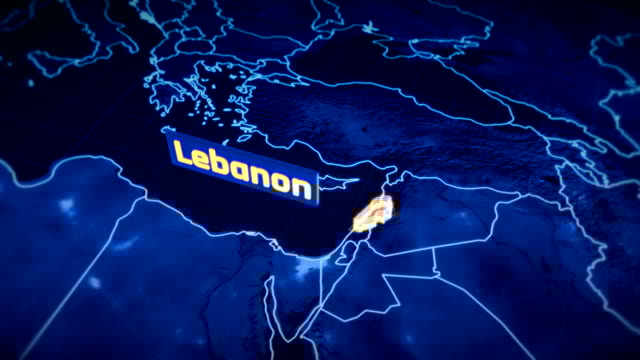
In 1948, the first major problem occurs for the new, fresh Republic. The State of
Israel is established, thus creating the most significant problem of Lebanon
until today, the biggest enemy at the southern border. The first wave of
Palestinian refugees come to Lebanon and the Arab-Israeli war begin.
Probably the most tumultuous times for this region, the 1960s debuted with the
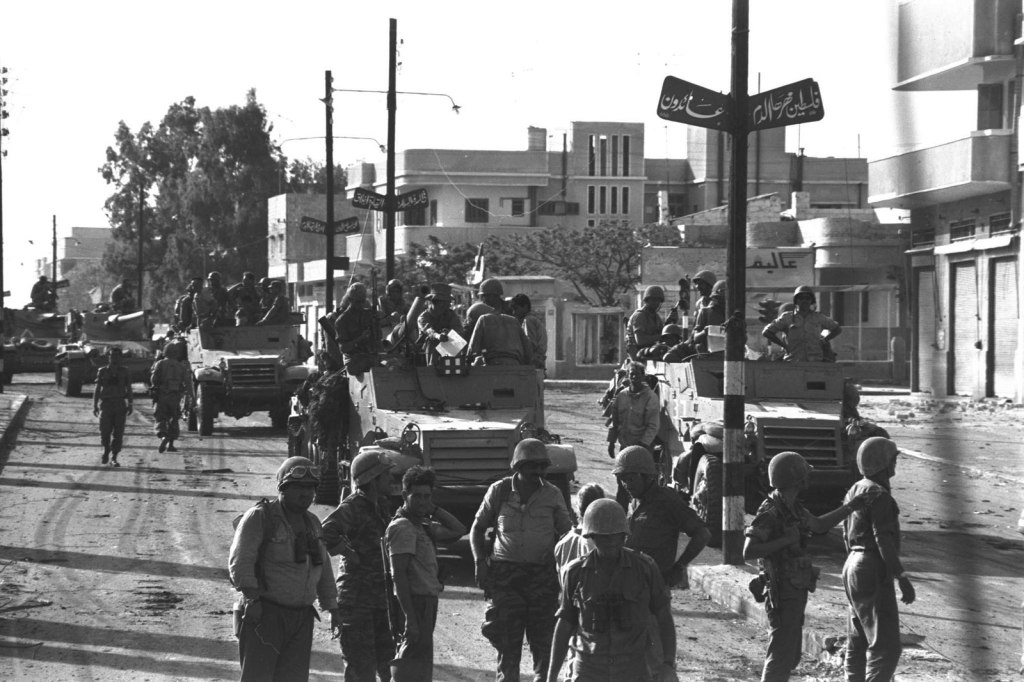
Yom Kippur War (1963), when Israel fought with Egypt and Syria, then the Six-
Day War, when the second wave of Palestinians came to Lebanon. But the most
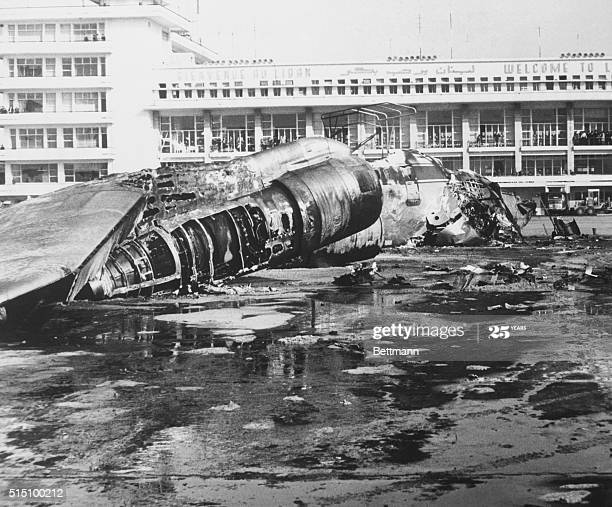
serious attack remains the Beirut Airport massive raid; Israelis destroyed 13
airlines in retaliation for the support of Palestinian terrorists. Regular Israeli
attacks on Lebanon continued for the next six years. If you are interested in the
espionage war between these countries, I highly recommend Matti Friedman’s
book ”Spies of No Country: Secret Lives at the Birth of Israel ”. It is a fascinating
story of a few spies that made Israel won all the wars and illustrates how these
people were risking their lives on the streets of Beirut for ”their” homeland.
For the second part, when we will discuss contemporary Lebanon, stay tuned
and follow hARTS Magazine.
 hARTS magazine