The path to glory of a geopolitical and military global superpower
by Sebastiano
It is more and more clear that Russia and its leaders have grand ambitions, both politically and militarily. But there might be a problem for the rest of the world: these ambitions go far beyond the geographical territory of the largest country in the world. Russia’s actions in Europe, Central Asia, the Middle East, Africa, Latin America, and the Arctic make the former Soviet Union’s doctrine one of the most spread in the world.
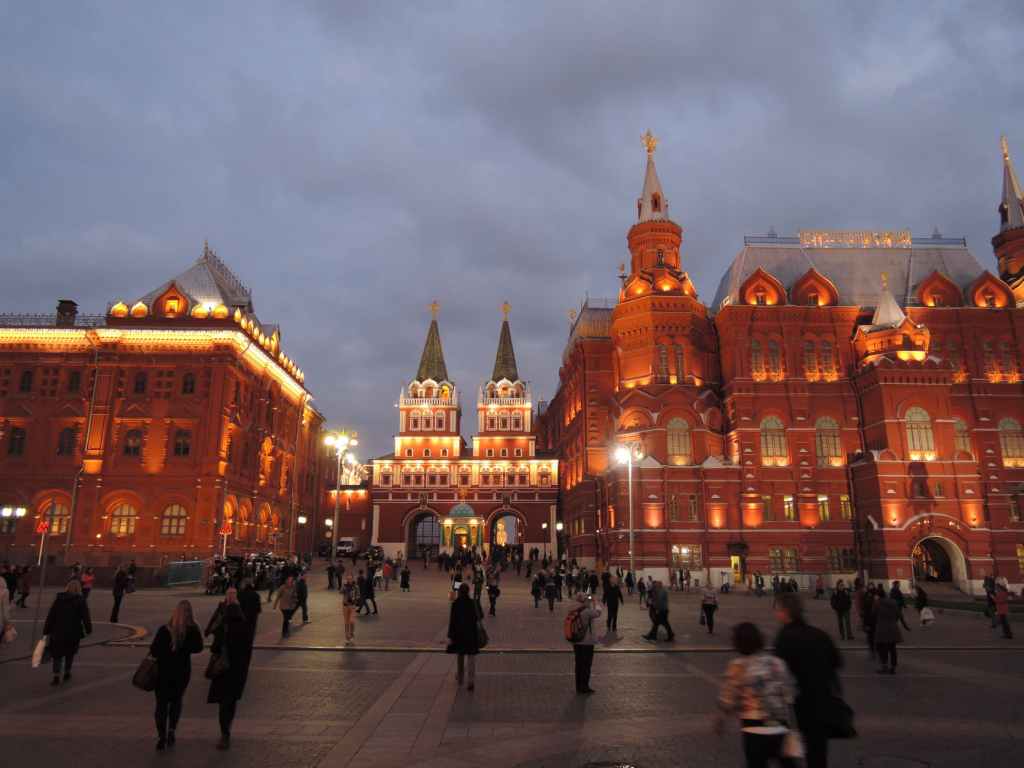
The most serious constant threat is territory seizure, of which neighboring countries are afraid; Crimea’s annexation is the best example of Putin’s strategy of “piece by piece” escalation, often by proxy or through propaganda. Another situation is Georgia’s border violation, where it seems that Russia is moving the border constantly. However, the Kremlin denies these allegations: “No, Russia doesn’t have any territorial claims against its neighbors.” says Dmitry Peskov, Russian presidential spokesman.
Of course, Moscow doesn’t limit its assault only to land occupation but exercise its power everywhere it can. One way to do that is by spreading fake news and propaganda through well knows Russian agencies like Sputnik or Russia Today. Another way is by interfering with the internal politics of vulnerable nations.
For instance, by using the social and political domestic crisis in Venezuela, Putin tried to consolidate Russia’s influence in Latin America, a strategic ”theater” in the vicinity of the U.S.
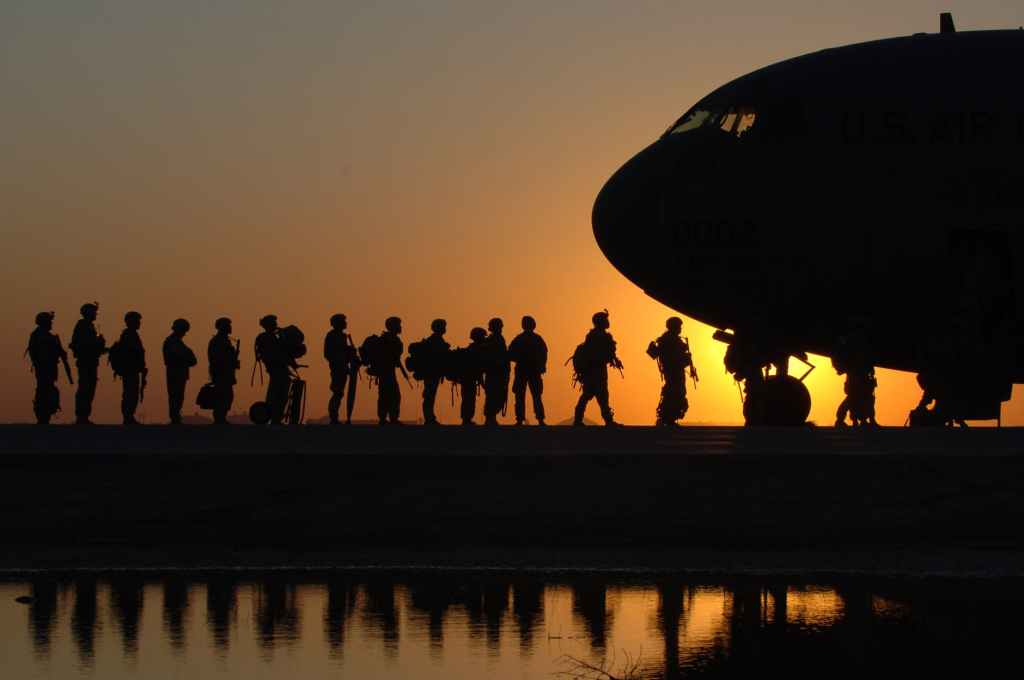
In Syria, the close friend of Putin, Bashar Al-Assad (the one that killed thousands of children with sarin gas) allowed Russia to ”help them fight ISIS”. In Afghanistan, Moscow is mediating talks between the government and the Taliban. An oasis for Russia is the Balkans, very close to Western Europe but not in the EU so Putin is exercising Russia’s sphere of influence on Serbia, Bosnia and Herzegovina, Albania with armament and support to infiltrate in the middle of the European Continent.
The worst thing is that Russia attended to mass genocides without doing anything.
There is also a shift emerging in the relationship between China and Russia, where the two countries have both enhanced their regional and global standing through political, economic, and military influence.
One remarkable case of Kremlin’s intrusion is the alleged Russian implication in the 2016 American elections that caused intense debates around the world, but only amplified Russia’s reputation as a rising global geopolitical superpower (again) by taking pieces from the old Soviet Union tactics and the new FSS enhanced technology.
Since the start of the Ukraine crisis in early 2014, the states of Eastern Europe have become increasingly important targets of Russian economic, political, and military pressure. Russia is retreating geopolitically from the Western “front” and seeks to slow down this process by mobilizing every economic, political and military asset in Eastern Europe, where different weak points in the Atlantic unity exist—and are usually overestimated by Russia. Its policy of exploiting vulnerabilities is well known, relying on ties with some states (Bulgaria and Slovakia), corrupt political ties with others (the Czech Republic and Hungary), and military pressure (Romania and the Baltic states). None of these means—reinforced by a furious propaganda campaign—has produced the expected results.
The latest news from Russia, during the pandemic, is the referendum in which people allegedly vote to allow Putin to be president until 2036 by taking two more terms. So, 16 more years for the KGB ex-spy in the Kremlin. The implications of this vote are broader than some think, especially for the long afflicted Eastern European countries that have to endure the most the imperialistic ambitions of Vladimir Putin.
About the writer:
“I like to think I can and will make a difference in this world. Guided by the strong belief that beauty is defined by diversity, I express my humble opinion on a variety of subjects that I truly value. My name is Sebastiano. I am an Italian-Romanian student at Tudor Vianu National High School in Bucharest, very passionate about geopolitics, aviation, traveling, and architecture. I would say I am ambitious and have a warm personality with strong feelings. I hope that some people resonate with my perspective, fully manifested in the work I do and that one day we will look in the mirror and make that change.”
 hARTS magazine