
“DON’T EVER TRY TO JUDGE ME DUDE, YOU DON’T KNOW WHAT I’VE BEEN THROUGH” – Eminem
“BE WHO YOU ARE AND LET EVERYONE LOVE THAT PERSON” – Wiz Khalifa

Today’s youth has become more and more familiarised with this music genre, facilitating hip-hop’s domination of the music industry for the past decades.
[[[Rap is defined as “a type of popular music recited rapidly and rhythmically over an instrumental backing.”]]]

According to BuzzAngle Music, the genre was “very well represented amongst the biggest tracks in the U.S. last year”.
Hip-hop and rap artists have officially claimed 6 of the TOP 10 streaming tracks of the year and more than 52% of the TOP 100.
Lil Nas X’s infamous OLD TIME ROAD racked up 1.78 billion streams across both audio and video platforms; and that is ONLY in the United States.
Drake’s massive hit GOD’S PLAN attracted a slightly less yet still humongous 1.68 billion streams figure in 2018 alone.
According to the “Billboard report”, hip-hop led 25.6% of the market in 2018 and jumped to claim an even more impressive figure of 30.7% in 2019. That marked a full 5% increase; hip-hop is therefore climbing up steadily, dismantling – on its way – many side-tracking musical industries.
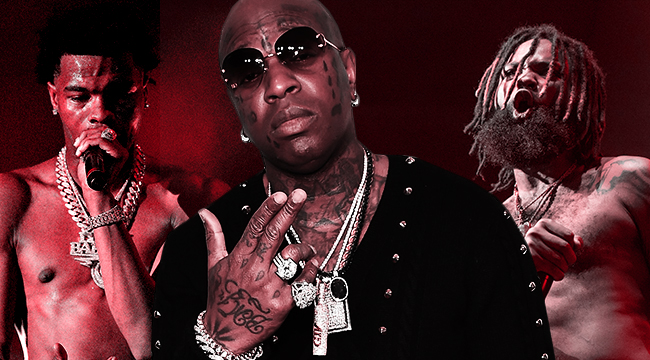
“Next time you see a brother down / Stop and pick him up, / Cause you might be the next one stuck.”
Grand Puba, Mind Your Business
“On-Demand Streams” published a rank order in the first months of 2020 and, along-side the pop hits “7 rings” by Ariana Grande and “bad guy” by Billie Eilish, other hip-hop singers such as Post Malone and Travis Scott joined to fill in the TOP 10 titles.
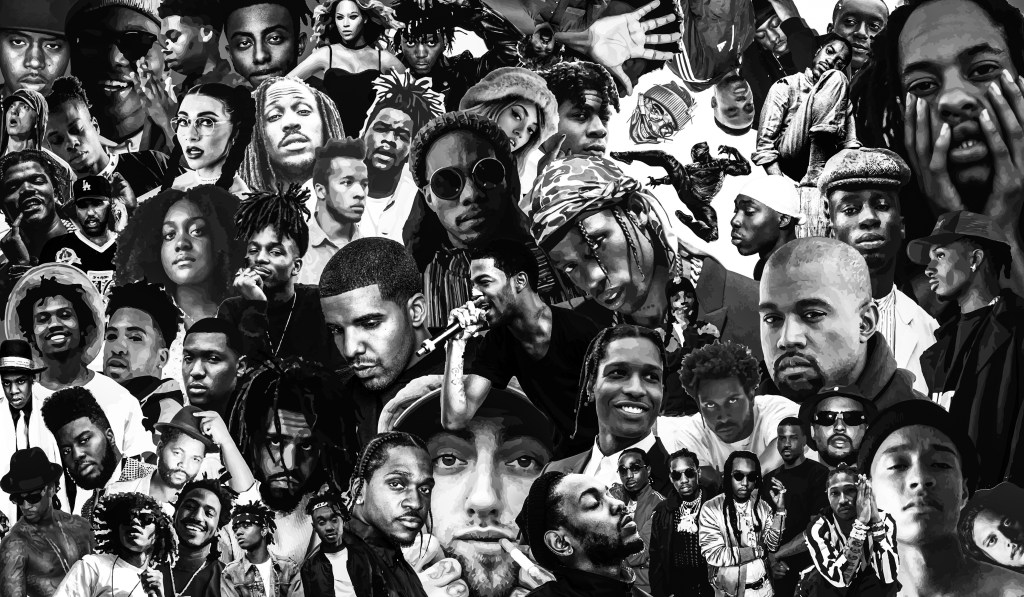
The TOP hip-hop tracks according to “BuzzAngle”‘s report were Middle Child by J. Cole (ranked 6th overall), Ransom by Lil Tecca (ranked 8th globally) and Sicko Mode by Travis Scott (which grabed the 9th place internationally).
A report by Becky Blanchard of Stanford University highlighted in her dissertation “The Social Significance of Rap and Hip-Hop Culture” that:
In recent years, controversy surrounding rap music has been in the forefront of the American media. From the hype of the East Coast-West Coast rivalry that shadowed the murders of rappers Tupac Shakur and Notorious B.I.G. to the demonization of modem music in the wake of school shootings in Littleton, Colorado, it seems that political and media groups have been quick to place blame on rap for a seeming trend in youth violence.
Becky Blanchard (July 1999)
Here, Blanchard indicated towards a crucial connotation that the hip-hop culture has been faced with from its very start. Governments and the medias, in desperate need of a scapegoat for the seemingly increasing youth violence rate, have been incredibly quick to place all of the blame on the hip-hop and rap culture.
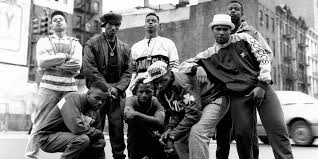
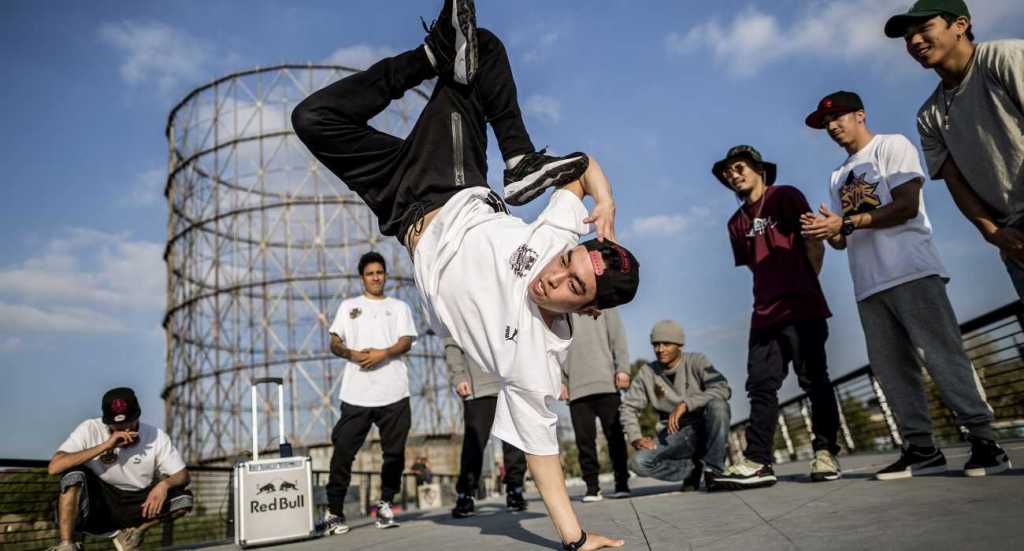
The truth is that hip-hop’s common assosiations with dance parties and clubs, as well as the increase in hip-hop culture features such as breakdancers and graffiti artistists, all tend to indicate hip-hop’s close relations to ‘rebel’ and ‘anarchistic’ stereotypes.
“The purpose of life is a life with a purpose. So I’d rather die for a cause, than live a life that is worthless.”
Immortal Technique
Rap’s common designation as “CNN for black people” must have originated from its’ association to contemporary African-American working-class concerns. Hip-hop mainly addresses struggles faced by this social class in our society; with frequent protests and criticisms integrated – sometimes subtly and sometimes less so.
Rap’s potential for political, statutory, legal and family advocacy has encouraged many to blindly associate the hip-hop culture with rebellion, dis-order and violence.
Despite all of these accusations and negative connotations that have been thrown onto this musical genre, to indicate that it has survived and gloriously resurfaced would be an under-statement. Perhaps the apparent rebellious ideas that seem so deeply-rooted within this genre have led to an incredible increase in its international popularity.
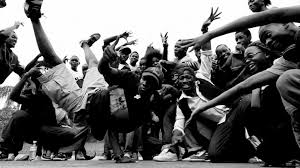
“My whole thing is to inspire, to better people, to better myself forever in this thing that we call rap, this thing that we call hip hop.”
Kendrick Lamar
Hip-hop is now-a-days also closely linked to reggae music and rap.
Hip-hop also shares roots with other forms of traditionally African-American music such as jazz, blues and soul. All of these genres have been and still are largely popular across the globe, thus mirroring hip-hop’s success.
“Cause whatever you love can be taken away, so live like its your dying day.”
Machine Gun Kelly
As Blanchard pointed out “In the last decade, hip-hop music has followed the path of commercialization that destroyed African-American radio stations in the 1 970s.” However, for hip-hop it seems to be working out much better.
Even though rap music was ‘stolen’ from its community and “repackaged” for the wider audiences by “money-minded business people”, its fans are more determined to increase its international status than ever before.
“I’ve done a lot of work to get where I’m at, but I have to keep working.”
Wiz Khalifa
As journalist Christopher John Farley explained, “rap’s commodification has also disenfranchised it as a form of resistance” often because governments have encouraged rappers to focus on pathologies within their black communities.
Violence, misogyny, and homophobia in the lyrics and lifestyles of some rappers have been at the root of those indications.
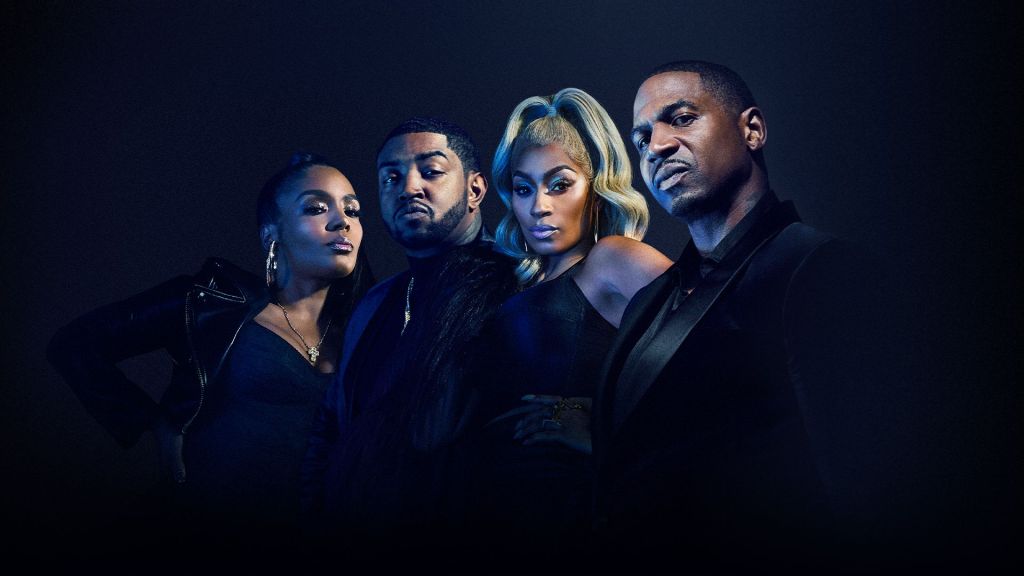
The hip-hop culture however, tends to promote a more liberal, freedom-seeking perspective of our world.
“Living life is a choice. Making a difference in someone else’s isn’t.”
Kid Cudi
Rappers frequently encourage their listeners to “keep it real” – to be true to their roots – thing which has helped many members of their audience to assosiate and engage with their infamous music genre.
– an Article written by Laura Ionescu
hARTS Editor-in-Chief

 hARTS magazine